Unbenannt: Elevating Design with Elegant Handwritten Typography
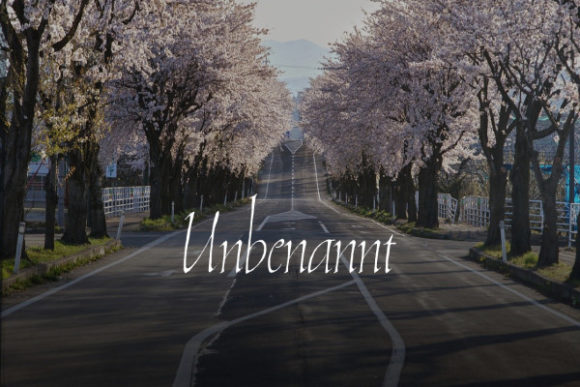
In a digital landscape saturated with clean sans-serifs and rigid serifs, a touch of human warmth can make all the difference. Unbenannt, a superb handwritten font, offers exactly that—a blend of elegance and playful character that instantly captures attention. Created by the talented Peter Wiegel, this typeface provides a powerful tool for designers seeking to inject personality and authenticity into their visual communication.
The Role of Handwritten Fonts in Modern Branding
Typography is a cornerstone of brand identity. While standard fonts ensure readability and professionalism, a carefully chosen display font like Unbenannt can convey a brand's unique voice. Its fluid, organic strokes suggest creativity, approachability, and a personal touch, making it ideal for brands that want to feel human and relatable. This is particularly valuable in industries such as artisanal goods, creative services, boutique retail, and lifestyle blogs, where storytelling and emotional connection are paramount.
Practical Applications Across Creative Projects
The versatility of Unbenannt extends across numerous design contexts. Its elegant yet playful appearance ensures it stands out without overwhelming a layout. Consider its application in:
- Logo Design & Brand Identity: Use Unbenannt for logotypes or brand marks to create a memorable, signature look that feels bespoke.
- Marketing & Advertising: Craft compelling headlines for social media graphics, posters, and email campaigns that draw the eye and evoke curiosity.
- Editorial & Packaging Design: Add flair to magazine covers, book titles, product packaging, and labels to differentiate on the shelf or page.
- Web & UI Design: Apply it strategically to website headers, call-to-action buttons, or hero sections to break visual monotony and guide user focus.
- Digital Products & Presentations: Enhance slide decks, e-book covers, and online course materials with a personal, engaging typographic style.
Integrating Unbenannt into Your Design Workflow
Effectively incorporating a distinctive font like Unbenannt requires thoughtful execution. It should complement, not compete with, your overall design system. Here are key considerations for seamless integration:
- Establish Visual Hierarchy: Use Unbenannt for primary headlines or key phrases, pairing it with a clean, highly legible font for body text to maintain readability and balance.
- Consider Your Audience: Ensure the font's personality aligns with your target demographic's expectations and the message you wish to convey.
- Maintain Consistency: Define clear usage guidelines within your brand style guide to ensure uniform application across all touchpoints, reinforcing brand recognition.
- Test for Scalability: Check its legibility at various sizes, from small product tags to large banners, to ensure it performs well in all intended contexts.
When paired with a harmonious color palette and strong compositional layout, Unbenannt can significantly enhance the professional presentation of your work. It adds a layer of sophistication and creativity that standard fonts often lack, helping your designs feel more curated and intentional.
Achieving Cohesion in Visual Communication
The ultimate goal of any design asset is to improve communication and engagement. A font like Unbenannt contributes to this by creating an immediate visual and emotional impression. It can soften a corporate message, add whimsy to a friendly brand, or lend a luxurious feel to a premium product. Its effectiveness lies in its ability to tell a story through letterforms alone, making it a valuable asset for designers, marketers, and business owners alike.
Choosing the right creative resources is a critical step in any design project. Quality typography not only elevates aesthetics but also strengthens the clarity and impact of your message. By thoughtfully integrating assets like the Unbenannt font, you invest in a visual language that resonates deeply with your audience, turning ordinary projects into compelling visual narratives.