The Sweet Cursive Charm of the History Font
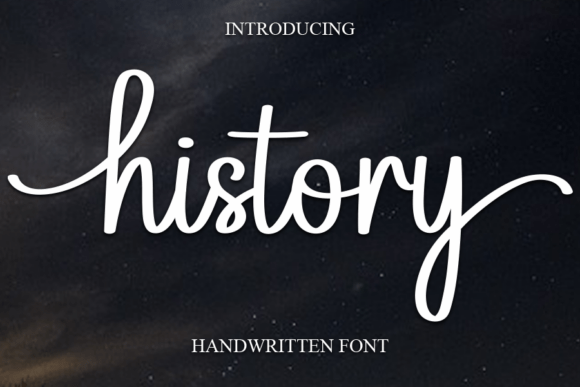
In a digital landscape saturated with clean sans-serifs and rigid geometrics, the human touch has become a powerful differentiator. The History font, a sweet and cursive handwritten typeface, offers just that—a gentle, joyful elegance that can instantly elevate a design from professional to personal. This font isn't just a set of characters; it's a mood, a feeling, and a strategic tool for creators seeking to infuse warmth and romance into their visual communication.
Understanding Typography's Role in Modern Design
Typography is the voice of your design. While a corporate report might demand the authority of a serif or the clarity of a sans-serif, projects aiming for emotional connection thrive with script fonts like History. Its flowing letterforms mimic natural handwriting, creating an immediate sense of authenticity and approachability. In graphic design, this choice directly impacts user experience and brand perception. A well-selected font can guide the eye, establish visual hierarchy, and communicate brand values before a single word is read.
The History font excels in scenarios where you need to balance professionalism with a casual, elegant flair. Its cursive style maintains legibility while adding a layer of sophistication, making it far more versatile than overly decorative scripts. It’s a creative asset that can streamline your design workflow by providing a ready-made solution for projects that require a personal, boutique aesthetic.
Practical Applications Across Creative Projects
Integrating a font like History into your work can transform various design outputs. Here are key areas where its character shines:
- Branding & Logo Design: Use History for brand names, taglines, or monogram logos in industries like wedding planning, boutique fashion, artisanal goods, or lifestyle coaching. It helps build a brand identity that feels intimate and high-end.
- Marketing & Social Media Graphics: Create eye-catching headlines for Instagram stories, Facebook ads, or email headers. Its romantic touch is perfect for promotions around holidays, sales events, or product launches that aim for a heartfelt appeal.
- Editorial & Web Design: Apply it to pull quotes, section titles, or call-to-action buttons in UI design to break the monotony of body text and draw user attention to key content.
- Packaging & Merchandise: Elevate product labels, thank-you cards, or merchandise tags. The font adds a perceived value and craftsmanship to physical items, enhancing the unboxing experience.
- Presentations & Digital Products: Move beyond standard slides. Use History for title pages or key points in presentations to make them more engaging and memorable for your audience.
Tips for Effective Implementation
To leverage History effectively, consider these practical guidelines:
- Prioritize Readability: Use it for headlines, logos, or short phrases rather than long blocks of body text. Pair it with a clean, neutral sans-serif for supporting copy to maintain a clear visual hierarchy.
- Ensure Scalability: Test the font at various sizes to ensure its delicate strokes remain crisp and legible, especially for smaller applications like mobile UI elements or fine print.
- Maintain Consistency: Define a clear typographic system within your brand guidelines. Decide where and how often History should be used to create a cohesive look across all touchpoints.
- Consider Your Audience: Align the font's joyful, romantic tone with your target audience's expectations. It’s ideal for consumer-facing brands but may require careful context in more formal corporate settings.
Ultimately, the power of a font like History lies in its ability to communicate on an emotional level. In a world of digital noise, thoughtful design choices that incorporate human elements can significantly improve both aesthetics and communication. By selecting quality creative assets that align with your project's goals, you craft experiences that don't just look beautiful but also resonate deeply, strengthening engagement and leaving a lasting impression.